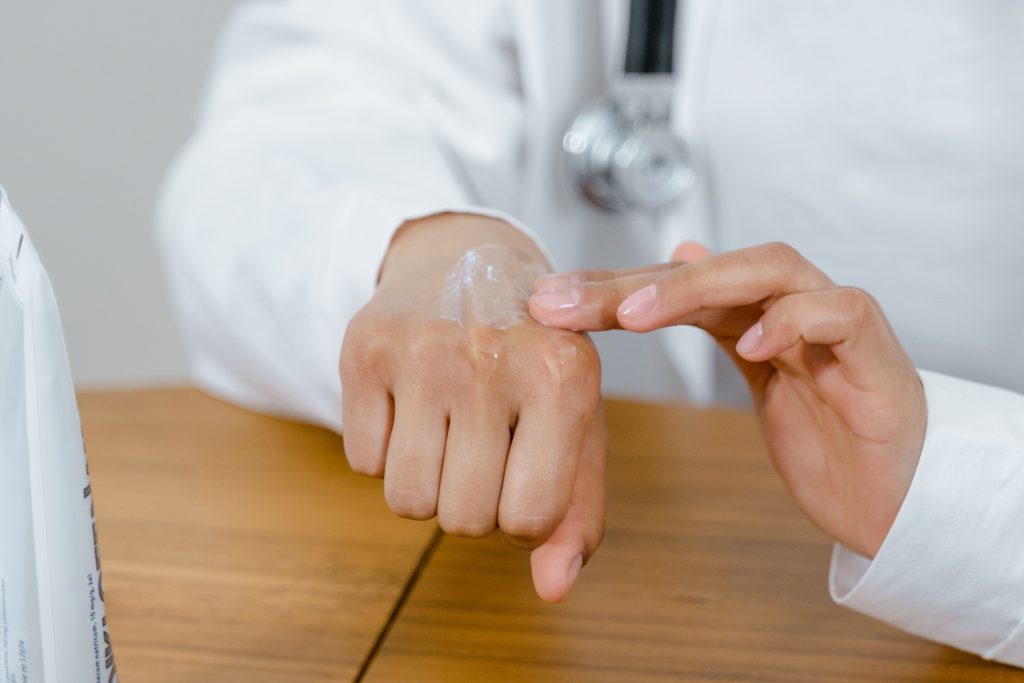
Skin cancer often develops quietly, with subtle changes that are easy to overlook. Recognising the early warning signs can make a significant difference in protecting your health.
Scheduling a Mackay skin check is one of the most important steps you can take to detect skin cancer early. At The Doctors Mackay, comprehensive skin examinations help identify suspicious moles, spots, and skin changes before they become more serious. Because Australia has one of the highest rates of skin cancer in the world, understanding the silent warning signs can help you seek medical attention promptly and improve treatment outcomes.
Why Is Early Skin Cancer Detection So Important?
Early detection increases the likelihood of successful treatment and reduces the risk of skin cancer spreading to other parts of the body. Many forms of skin cancer can be treated more effectively when diagnosed in their early stages.
The challenge is that skin cancer does not always cause pain or obvious symptoms. Many people feel perfectly healthy while subtle changes develop on their skin.
Regular skin examinations allow suspicious changes to be identified before they become more advanced, giving patients greater peace of mind and access to timely treatment if required.
What Are the Silent Signs of Skin Cancer?
Skin cancer often begins with small changes that can easily be mistaken for harmless skin conditions. Paying attention to these early signs is essential.
Common warning signs include:
- A new mole or spot that appears suddenly
• An existing mole that changes in size, shape, or colour
• A sore that does not heal
• A spot that repeatedly bleeds or crusts
• Persistent itching or tenderness in one area
• A lesion that continues to grow
• Changes in skin texture around a mole
Not every skin change is cancerous, but any persistent or unusual changes should be assessed by a healthcare professional.
How Can You Check Your Skin at Home?
Regular self-examinations help you become familiar with your skin so you can notice changes more easily between professional skin checks.
When examining your skin, look for:
- New growths
• Changes in existing moles
• Spots with uneven borders
• Multiple colours within one lesion
• Areas that bleed easily
• Skin that does not heal normally
Use a mirror or ask a family member to help check difficult-to-see areas such as your back, scalp, and the backs of your legs.
Self-checks are valuable, but they should not replace professional skin examinations.
Who Is Most at Risk of Skin Cancer?
Anyone can develop skin cancer, but certain factors increase the risk. Understanding these factors helps determine how often you should have your skin examined.
Higher-risk individuals include:
- People with fair skin
• Individuals with frequent sun exposure
• Those with a history of sunburn
• People with many moles
• Individuals with a personal or family history of skin cancer
• Outdoor workers
• Older adults
Even if you do not fall into these categories, regular skin checks remain an important part of preventive healthcare.
What Happens During a Professional Skin Check?
A professional skin check is a thorough examination of your skin performed by a qualified healthcare provider. The appointment is designed to identify suspicious lesions and determine whether further investigation is needed.
During your appointment, your healthcare provider may:
- Examine your skin from head to toe
• Assess moles and pigmented lesions
• Compare any changing spots
• Identify suspicious skin changes
• Recommend monitoring or further assessment if necessary
The examination is straightforward and provides valuable information about your skin health.
When Should You Arrange a Skin Check?
You should book a skin check whenever you notice changes to your skin or if you have risk factors that increase your likelihood of developing skin cancer.
You should seek medical advice if you notice:
- A mole changing in appearance
• A new spot that continues to grow
• A sore that does not heal
• Persistent bleeding from a skin lesion
• Ongoing itching or discomfort
• Any unusual skin change that concerns you
Prompt assessment helps ensure that any suspicious lesions receive appropriate attention as early as possible.
How Can You Help Protect Your Skin?
Although not all skin cancers can be prevented, reducing exposure to ultraviolet (UV) radiation significantly lowers the risk of developing many forms of skin cancer.
Helpful sun protection habits include:
- Wearing broad-spectrum sunscreen
• Wearing protective clothing
• Using a wide-brimmed hat
• Seeking shade during peak UV hours
• Wearing sunglasses
• Avoiding unnecessary sun exposure
Combining sun protection with regular skin checks offers the best approach to maintaining healthy skin.
Affordable and Accessible Healthcare
Preventive healthcare is one of the most affordable ways to protect your wellbeing. Regular skin checks allow suspicious changes to be identified early, potentially reducing the need for more complex treatment while providing reassurance and supporting long-term skin health.
Why Choose The Doctors Mackay?
When it comes to skin health, choosing an experienced medical team provides confidence and peace of mind. The Doctors Mackay offers comprehensive skin assessments with a patient-focused approach, helping individuals and families take a proactive role in protecting their health.
Patients choose The Doctors Mackay because of:
- Experienced healthcare professionals
• Comprehensive skin examinations
• Early detection focus
• Patient-centred care
• Modern assessment techniques
• Friendly and supportive environment
• Trusted healthcare for individuals and families throughout Mackay
FAQ’s
How often should I have a skin check?
The recommended frequency depends on your individual risk factors, skin type, medical history, and sun exposure. Your healthcare provider can advise how often professional skin examinations are appropriate for you.
Are all changing moles cancerous?
No.
Many skin changes are harmless, but any mole or lesion that changes in size, shape, colour, or behaviour should be assessed by a healthcare professional as soon as possible.
Can skin cancer develop without pain?
Yes.
Many forms of skin cancer develop without causing pain or discomfort during the early stages, which is why regular skin checks are so important.
Should I have a skin check even if I don’t notice any changes?
Yes.
Professional skin examinations can identify suspicious lesions that may not be easily recognised during self-examinations, particularly in areas that are difficult to see.
Booking a Mackay skin check is one of the most effective ways to detect skin cancer early and protect your long-term health. At The Doctors Mackay, patients receive thorough skin assessments and personalised care to help identify concerning skin changes as early as possible, providing confidence and peace of mind for individuals and families throughout the Mackay community.
For appointments or skin check enquiries, call 07 4829 4606 and speak with the experienced team at The Doctors Mackay.