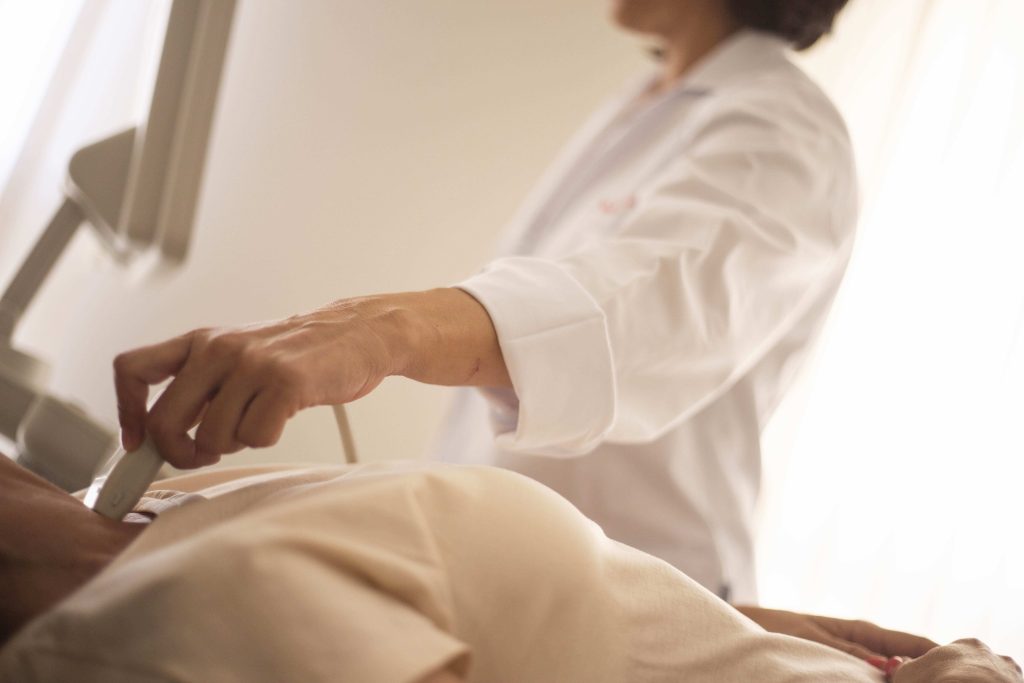
Noticing a new mole or a change in your skin can be concerning, but knowing when to seek professional advice can make a difference.
A skin cancer clinic mackay residents can access may help people understand suspicious skin changes, arrange appropriate assessments and learn about skin cancer prevention. At The Doctors Mackay, patients can enquire about available medical services and whether a skin assessment is suitable for their needs. Regularly checking your skin and seeking medical advice about unusual changes are important steps towards protecting your long-term health, particularly in Queensland’s sunny climate.
What Is a Skin Cancer Clinic in Mackay?
A skin cancer clinic provides medical assessment of suspicious skin lesions, moles and other changes that may require further investigation. Depending on the clinic’s services, appointments may involve a visual skin examination, dermatoscopy, assessment of risk factors or referral for further testing when clinically appropriate.
Skin cancer can affect people of different ages and skin types. In Australia, ultraviolet (UV) radiation from the sun is a significant risk factor, making awareness and early assessment particularly important for people who spend time outdoors.
A skin assessment may help identify changes that need closer attention, including:
- New or changing moles.
- Spots that change in colour, size or shape.
- Sores that do not heal.
- Skin lesions that itch, bleed or become crusted.
- Unusual marks that look different from other spots on your skin.
Not every skin change is cancerous, but a qualified healthcare professional can assess concerning signs and recommend appropriate next steps.
Why Are Regular Skin Checks Important in Mackay?
Regular skin awareness is important because some skin cancers can develop gradually and may initially resemble ordinary moles, freckles or blemishes. Recognising changes and seeking medical advice can help ensure suspicious areas are assessed rather than ignored.
Mackay’s Queensland location makes sun protection particularly relevant. UV exposure can occur during everyday activities such as gardening, walking, driving and working outdoors. Previous sunburn, cumulative UV exposure, a history of skin cancer and certain personal risk factors may increase the need for professional assessment.
You should consider arranging a medical review if you notice:
- A mole that changes in appearance.
- A new spot that looks unusual.
- A sore that repeatedly heals and returns.
- A lesion that becomes painful, itchy or starts bleeding.
- A skin change that concerns you, even if it does not hurt.
Do not wait for a routine check if a lesion is changing rapidly or bleeding without an obvious cause. Contact a healthcare professional for advice.
How Does a Skin Cancer Check Work?
A skin cancer check generally begins with a discussion of your medical history, sun exposure and any skin changes you have noticed. Depending on the appointment and the clinician’s assessment, the examination may focus on a particular lesion or involve a broader examination of your skin.
A clinician may use a dermatoscope, a specialised instrument that magnifies skin structures, to examine certain spots more closely. If a lesion appears suspicious, the next step may involve monitoring, a biopsy or referral, depending on the clinical findings.
During an appointment, you may be asked about:
- Previous skin cancers or suspicious lesions.
- Family history of skin cancer.
- Past sunburn and outdoor exposure.
- Changes in moles, freckles or other skin marks.
- Current concerns about particular areas of skin.
The process depends on your circumstances, and not every appointment requires a biopsy. Your clinician should explain any recommended investigation and why it may be necessary.
Who Should Consider a Skin Cancer Assessment?
Anyone who notices a suspicious skin change should consider seeking medical advice. The need for routine professional assessment depends on individual risk factors, previous medical history and clinical guidance rather than age alone.
People with extensive sun exposure, a history of skin cancer, numerous moles or a strong family history may benefit from discussing an appropriate skin surveillance plan with a healthcare professional. People with lighter skin that burns easily may also have increased risk, although skin cancer can occur in all skin types.
Consider speaking with a GP if you:
- Work outdoors or regularly spend long periods in the sun.
- Have previously been diagnosed with skin cancer.
- Have many moles or unusual-looking skin lesions.
- Have a family history of melanoma or other skin cancers.
- Notice a new or changing spot that concerns you.
Your GP can assess your circumstances and advise whether a skin examination or specialist referral is appropriate.
How Can You Protect Your Skin Between Skin Checks?
Sun protection is an important part of reducing UV exposure, but it does not eliminate skin cancer risk. Combining sensible sun protection with awareness of your skin’s usual appearance can help you identify changes and seek advice when necessary.
Australia’s UV levels can be high even when temperatures are mild or the sky is cloudy. Checking the UV forecast and using several protective measures can help reduce exposure during outdoor activities.
Practical sun protection measures include:
- Apply broad-spectrum SPF 50 or SPF 50+ sunscreen according to its instructions.
- Wear protective clothing, a broad-brimmed hat and sunglasses.
- Seek shade when UV levels are high.
- Reapply sunscreen as directed, particularly after swimming, sweating or towel drying.
- Check your skin regularly and note any changes.
Remember that sunscreen is only one part of sun protection. If you notice a suspicious lesion, arrange an assessment rather than relying on sunscreen or home remedies to address it.
Affordable and Accessible Skin Health Care
Access to timely medical advice can help people address skin concerns before they become more difficult to manage. The cost of a skin examination varies depending on the practice, the type of consultation and whether additional procedures or investigations are required.
If affordability is important, ask about consultation fees, Medicare rebates where applicable and whether the service you need is available at the practice. Not every clinic offers the same skin cancer services, and additional procedures may involve separate charges.
To plan your appointment, consider:
- Confirming whether the practice offers skin assessments.
- Asking about consultation costs before booking.
- Checking whether Medicare rebates may apply to your appointment.
- Discussing follow-up recommendations and possible additional costs.
- Seeking medical advice promptly when a skin change is concerning.
Understanding the available options can help you make informed decisions about skin health without assuming that every service is included in a standard GP consultation.
Why Choose The Doctors Mackay?
Choosing a healthcare provider for a skin concern involves checking the clinician’s experience, the services available and whether the practice can arrange appropriate follow-up. The Doctors Mackay is based in Mackay, Queensland, and local patients can contact the practice to enquire about skin assessments and available medical services.
When choosing a provider, consider the following:
- Experience and expertise: Ask whether clinicians provide skin assessments and what their relevant experience includes.
- Quality of care: Confirm how suspicious lesions are assessed and what follow-up may be available.
- Patient-focused support: Look for clear explanations and an opportunity to discuss concerns.
- Professional guidance: Ask whether further investigations or referrals can be arranged when necessary.
- Local accessibility: Confirm the location, appointment availability and consultation fees.
- Commitment to wellbeing: Choose a provider who explains appropriate prevention and follow-up options.
To enquire about available services, contact The Doctors Mackay on 07 4829 4606. Confirm whether a skin cancer assessment is offered and whether a longer appointment is required before booking.
FAQ’s
When should I visit a skin cancer clinic in Mackay?
Seek medical advice if you notice a new or changing mole, a non-healing sore or a spot that bleeds or looks unusual. A GP can assess the concern and recommend further investigation if needed.
How often should I have a skin cancer check?
The appropriate frequency depends on your personal risk factors, medical history and previous skin findings. Ask your GP to recommend a suitable assessment schedule.
Can a GP examine suspicious moles?
Yes, GPs can assess many skin concerns, although available services and expertise vary. A suspicious lesion may require a biopsy or referral to an appropriate specialist.
How can I enquire about skin checks at The Doctors Mackay?
Call The Doctors Mackay on 07 4829 4606 to ask whether skin assessments are available, what the consultation costs and how to arrange an appointment.
Conclusion
Knowing what to look for, protecting your skin from UV exposure and seeking advice about unusual changes are important parts of skin health. A professional assessment can help determine whether a lesion needs monitoring, further testing or treatment. If you are searching for a skin cancer clinic mackay residents can contact for guidance, speak with The Doctors Mackay on 07 4829 4606 to enquire about available skin assessment services and arrange appropriate medical advice.