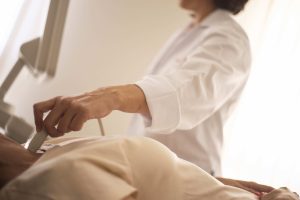
Australia has one of the highest rates of skin cancer in the world, with two in three Australians diagnosed by the age of 70. With our outdoor lifestyle and harsh sun exposure, regular skin cancer examinations are not just recommended—they’re essential. At The Doctors Mackay, we offer comprehensive and compassionate skin checks to help detect any abnormalities early and give our patients peace of mind.
If you’ve never had a skin cancer examination before, you might be unsure of what to expect. This guide will walk you through the process so you can feel confident and prepared for your appointment.
Why Skin Cancer Examinations Are Important
Skin cancer is highly treatable when detected early. Regular skin checks allow for early identification of unusual moles, spots, or lesions that could develop into skin cancer. While self-checks are important, a professional skin cancer examination by a trained GP can catch signs you might miss.
At The Doctors Mackay, we recommend annual skin checks for most adults, and more frequent monitoring for those with high risk factors, such as:
- Fair skin or light-coloured eyes
- History of sunburns or tanning bed use
- Outdoor work or hobbies
- Family or personal history of skin cancer
- Large number of moles or freckles
What Happens Before the Examination?
When you book your skin cancer examination, our reception team will provide guidance on how to prepare. Here are a few key tips:
- Wear loose, comfortable clothing that’s easy to remove.
- Avoid wearing makeup, nail polish, or fake tan, as these can obscure skin markings.
- Make a note of any spots or changes you’ve noticed on your skin.
When you arrive at The Doctors Mackay, you’ll be welcomed into a calm, professional setting where your comfort and privacy are our priority.
The Examination Process: Step by Step
1. Medical History Review
Your GP will begin by asking about your medical history, including:
- Any previous skin cancers or biopsies
- Family history of melanoma or non-melanoma skin cancers
- History of sunburn or tanning bed use
- Any changes you’ve noticed in your skin recently
This information helps assess your risk and guides the focus of your skin cancer examination.
2. Full-Body Skin Check
Next, your GP will conduct a full-body visual examination. This may include:
- Scalp
- Face and ears
- Neck and shoulders
- Arms and hands
- Chest and abdomen
- Back and buttocks
- Legs and feet (including soles and between toes)
If you’re comfortable, you’ll be asked to undress to your underwear and lie on the exam table. A gown or sheet is provided for privacy and warmth, and only one area is examined at a time.
3. Dermoscopy
To examine spots in more detail, your GP may use a dermatoscope—a specialised magnifying tool with light that allows them to look beneath the surface of the skin. This tool helps identify suspicious features of moles or lesions that aren’t visible to the naked eye.
Dermoscopy is quick, painless, and a standard part of a thorough skin cancer examination.
4. Spot Mapping or Imaging (If Required)
If you have many moles or a high risk of melanoma, your GP may take clinical images or recommend mole mapping. These photos serve as a baseline to track changes in moles over time.
This is especially helpful for identifying new lesions or monitoring slow-growing spots.
5. Biopsy or Referral (If Needed)
If a suspicious lesion is found during the skin cancer examination, your GP may:
- Perform a biopsy (removing a small sample for lab testing)
- Refer you to a dermatologist or skin cancer specialist for further evaluation
- Recommend complete removal of the lesion
Biopsies are usually done under local anaesthetic and take just a few minutes. You’ll receive aftercare instructions and your results within a few days.
How Long Does the Appointment Take?
A full skin cancer examination usually takes around 15 to 30 minutes, depending on the number of spots that need closer examination. At The Doctors Mackay, we never rush—your health and safety are always our top priority.
What Happens After the Skin Check?
Once your examination is complete, your GP will discuss the results with you. If everything looks normal, you’ll be advised when to return for your next routine check—usually in 12 months. If treatment or follow-up is needed, we’ll guide you through the next steps with care and clarity.
You’ll also receive advice on sun protection, self-monitoring at home, and what changes to look out for in your skin.
Early Detection Saves Lives
The earlier skin cancer is found, the easier it is to treat. A professional skin cancer examination gives you the best chance of catching abnormalities early—before they become dangerous.
We encourage all patients, especially those in sun-intense regions like North Queensland, to make annual skin checks a part of their healthcare routine.
Book Your Skin Cancer Examination at The Doctors Mackay
Protect your skin. Protect your health. If it’s been over a year since your last skin cancer examination, or if you’ve noticed any new or changing spots, don’t delay.📞 Call: 07 4829 4606
🌐 Visit: thedoctorsmackay.com.au